
Gaming Equipment Certification: What Every Operator Needs to Know
You've invested $150K in new slot machines. Your floor manager says they're "ready to go." Then the gaming commission inspector walks in - and that's when you discover your equipment isn't properly certified for your jurisdiction. Three weeks of dead floor space. Revenue bleeding. Competitors laughing.
Gaming equipment certification isn't optional paperwork. It's the difference between operational slots and expensive floor decorations. Every gaming device touching your casino floor needs approval from your state's gaming authority - and each jurisdiction has different requirements, testing protocols, and approval timelines.
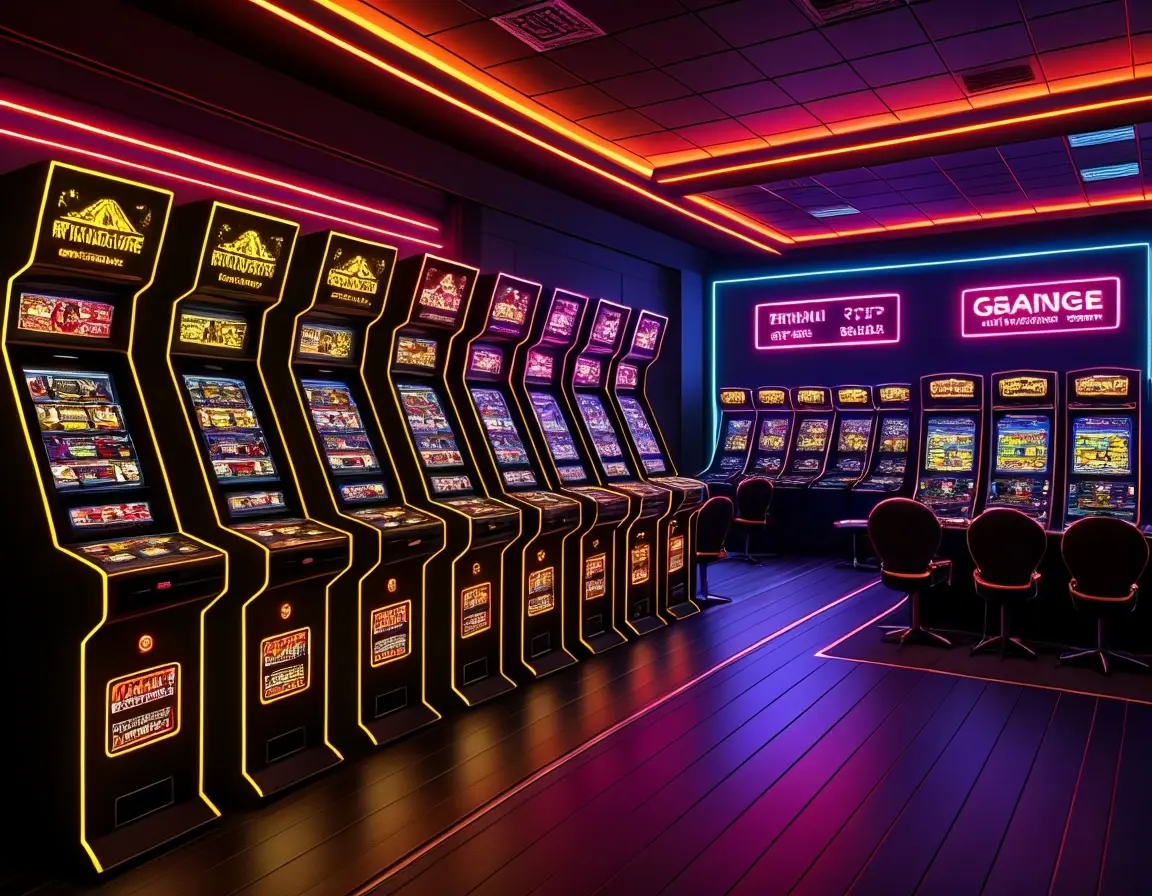
Here's what most operators miss: certification requirements vary wildly between Nevada, New Jersey, and tribal jurisdictions. A slot certified in Vegas doesn't automatically work in Atlantic City. Understanding these differences before you purchase equipment saves months of headaches and thousands in expedited testing fees.
Why Gaming Equipment Certification Exists
Gaming commissions don't require certification to create bureaucracy. They're protecting three things: player fairness, tax revenue accuracy, and regulatory compliance. When a slot machine malfunctions and pays out incorrectly, the operator faces penalties. When tax calculations fail, the state loses revenue. When security protocols break, both players and operators suffer.
Certified equipment means independent labs have verified:
- Random Number Generator (RNG) integrity - Games produce truly random outcomes without predictable patterns
- Payout percentages - Machines deliver advertised return-to-player rates within acceptable variance
- Security protocols - Software can't be manipulated by players or unauthorized staff
- Accounting accuracy - Revenue tracking matches actual financial performance for tax reporting
- Responsible gaming features - Time limits, loss limits, and self-exclusion tools function properly
Without certification, you're operating illegally. With improper certification, you're still operating illegally - just with more expensive paperwork.
The Three-Stage Certification Process
Gaming equipment doesn't get certified overnight. The process involves multiple steps, different stakeholders, and significant lead time. Understanding this timeline helps operators plan purchases and floor layouts months in advance.
Stage 1: Laboratory Testing
Before state approval, equipment must pass independent lab testing. Gaming Laboratories International (GLI), BMM Testlabs, and iTech Labs are the primary testing facilities most jurisdictions accept. They examine:
- Game mathematics and probability models
- Software source code for vulnerabilities
- Hardware security and tamper resistance
- Communication protocols between machines and casino systems
- Compliance with technical standards (GLI-11, GLI-12, GLI-19 for different device types)
Lab testing typically takes 8-12 weeks for new games, 4-6 weeks for modifications to previously approved titles. Rush services exist but cost 50-100% more - and that assumes your equipment passes initial review.
Want to understand how RNG certification requirements impact your equipment approval timeline? The RNG component alone can add weeks if testing reveals flaws.
Stage 2: Jurisdiction Approval
Lab certification doesn't equal operational approval. Your state gaming commission still needs to review the equipment independently. This involves:
- Submitting lab reports to the gaming authority
- Paying jurisdiction-specific application fees ($500-$5,000 per game depending on state)
- Providing technical documentation and game specifications
- Allowing commission staff to conduct their own testing
- Addressing any questions or concerns during review periods
Approval timelines vary dramatically. Nevada's Gaming Control Board can approve straightforward equipment in 30-45 days. New Jersey's Division of Gaming Enforcement often takes 60-90 days. Tribal gaming commissions follow their own timelines - sometimes faster, sometimes significantly longer depending on the nation's regulatory structure.
Check our guide to state-specific slot licensing regulations before purchasing equipment for multiple jurisdictions.
Stage 3: Installation Verification
Even after approval, inspectors verify proper installation before equipment goes live. They confirm:
- Machines match approved specifications and software versions
- Security seals are intact and properly applied
- Casino management systems connect correctly for revenue reporting
- Responsible gaming features function as designed
- Physical placement complies with floor plan approvals
This final stage typically takes 1-3 days per equipment batch. Schedule inspections early - commission staff calendars fill quickly, especially before major holidays or new property openings.
Common Certification Mistakes That Cost Operators
Most certification delays stem from avoidable errors. Here's what experienced operators have learned the hard way:
Purchasing Non-Certified Equipment
"Great deal" on used slots from another jurisdiction? Verify certification status first. Equipment certified in one state may need complete re-testing for another. International equipment often requires extensive modifications to meet US technical standards.
Ignoring Software Version Control
Your slots are certified for software version 2.3.1. The manufacturer releases version 2.3.2 with bug fixes. Installing that update without new certification approval violates your license. Every software change requires re-approval - even minor patches.
Mixing Certified and Non-Certified Components
Replacing a bill validator with a "compatible" third-party unit? That modification voids certification. Approved equipment means the specific combination of components tested by labs - not "similar" parts that seem equivalent.
These mistakes aren't just technical violations. They trigger fines, license suspensions, and equipment confiscation. Learn how to avoid common certification mistakes that put operations at risk.
Certification Costs: The Real Numbers
Equipment certification isn't cheap, but it's predictable. Budget for these expenses:
- Lab testing fees: $15,000-$45,000 per game title (new games cost more than variations)
- Jurisdiction application fees: $500-$5,000 per state per game
- Annual renewal fees: $200-$2,000 per jurisdiction (yes, certification expires)
- Modification testing: $5,000-$15,000 for software updates or hardware changes
- Rush processing: Add 50-100% to standard fees for expedited review
Manufacturers often handle initial certification costs - they need approved equipment to sell. But operators pay for jurisdiction-specific approvals, renewals, and any custom modifications.
Multi-Jurisdiction Strategy for Chain Operators
Operating in multiple states? Certification strategy matters. Smart operators:
- Choose equipment with broad certification coverage - Major manufacturers maintain approval in 20+ jurisdictions because they've invested in comprehensive testing
- Standardize equipment across properties - Managing certification for 10 game types across 5 states is simpler than 50 game types across 5 states
- Plan purchases around certification timelines - Don't commit to equipment that won't receive approval before your launch date
- Build vendor relationships with compliance teams - Manufacturers with strong regulatory departments help navigate multi-state requirements
For comprehensive support across all compliance areas, explore our gaming equipment compliance resources covering everything from initial certification to ongoing maintenance.
Maintaining Certification: It's Not One-and-Done
Equipment certification requires ongoing compliance. Gaming commissions conduct regular inspections - scheduled and surprise visits both. They verify:
- Software versions match approved specifications
- Security seals remain intact
- Equipment modifications have received proper approval
- Maintenance records document all repairs and part replacements
- Revenue reporting matches machine performance
Operators need systems tracking every piece of equipment: purchase date, certification approval date, software version, jurisdiction approvals, inspection history, and scheduled renewal dates. Spreadsheets fail. Proper compliance management software prevents expensive oversights.
"We thought certification was a one-time process. Then we got hit with violations for running expired approvals on 40 machines. The fine was $125K - more than the cost of a proper compliance tracking system." - Casino Operations Director, Midwest Regional Chain
What Happens During Certification Failures
Equipment fails certification testing more often than manufacturers admit. Common failure points:
- RNG patterns: Statistical analysis reveals non-random behavior in edge cases
- Payout variance: Actual RTP differs from advertised percentages beyond acceptable limits
- Security vulnerabilities: Testers discover methods to manipulate outcomes or access restricted functions
- Accounting errors: Revenue tracking doesn't match actual game performance under certain conditions
When equipment fails, manufacturers must fix issues and restart testing. This adds 8-16 weeks to approval timelines and thousands in additional fees. Operators who've already purchased failed equipment are stuck - can't use it, can't return it, can't recoup investment until certification completes.
The Certification Fast Track: When Speed Matters
Sometimes you need equipment approved yesterday. Property opening in 90 days. Competitor launching new games you want to match. Equipment failures requiring urgent replacements. Expedited certification exists - at a cost.
Fast-track options include:
- Priority lab testing: 50-100% premium reduces standard timelines by 30-40%
- Pre-submission consultations: Labs review equipment before formal testing to catch issues early
- Parallel jurisdiction submissions: File with multiple states simultaneously instead of sequentially
- Provisional approvals: Some jurisdictions allow conditional operation pending final certification completion
Even expedited processes take 6-8 weeks minimum. There's no same-day equipment certification - anyone promising that is either lying or doesn't understand regulatory requirements.
Making Certification Work for Your Operation
Gaming equipment certification isn't something you handle once and forget. It's an ongoing operational requirement that needs proper planning, documentation, and management. Operators who treat certification as a strategic function rather than a paperwork burden avoid costly delays, penalties, and operational disruptions.
Smart certification management means: purchasing equipment from manufacturers with strong regulatory track records, planning equipment deployments around realistic approval timelines, maintaining detailed compliance records, scheduling renewal applications well before expiration dates, and building relationships with gaming commission staff who can provide guidance during complex situations.
Get your certification strategy right from the start. A 30-minute consultation can prevent months of regulatory headaches and identify potential compliance gaps before they become expensive problems.