
2025 Gaming Regulation Changes: New Compliance Requirements for Slot Operators
The gaming regulatory landscape is shifting faster than most operators anticipated. Between January and March 2025, fourteen states introduced substantive changes to slot machine compliance requirements - and that's just the beginning. If you're operating gaming devices or planning license applications this year, you're facing a fundamentally different approval process than existed twelve months ago.
This isn't about minor administrative updates. We're seeing mandatory cashless integration timelines, revised RNG certification protocols, and expanded responsible gaming technology requirements that directly impact your licensing costs and operational timelines. The operators who understand these changes now will avoid the 60-90 day delays hitting unprepared applications.
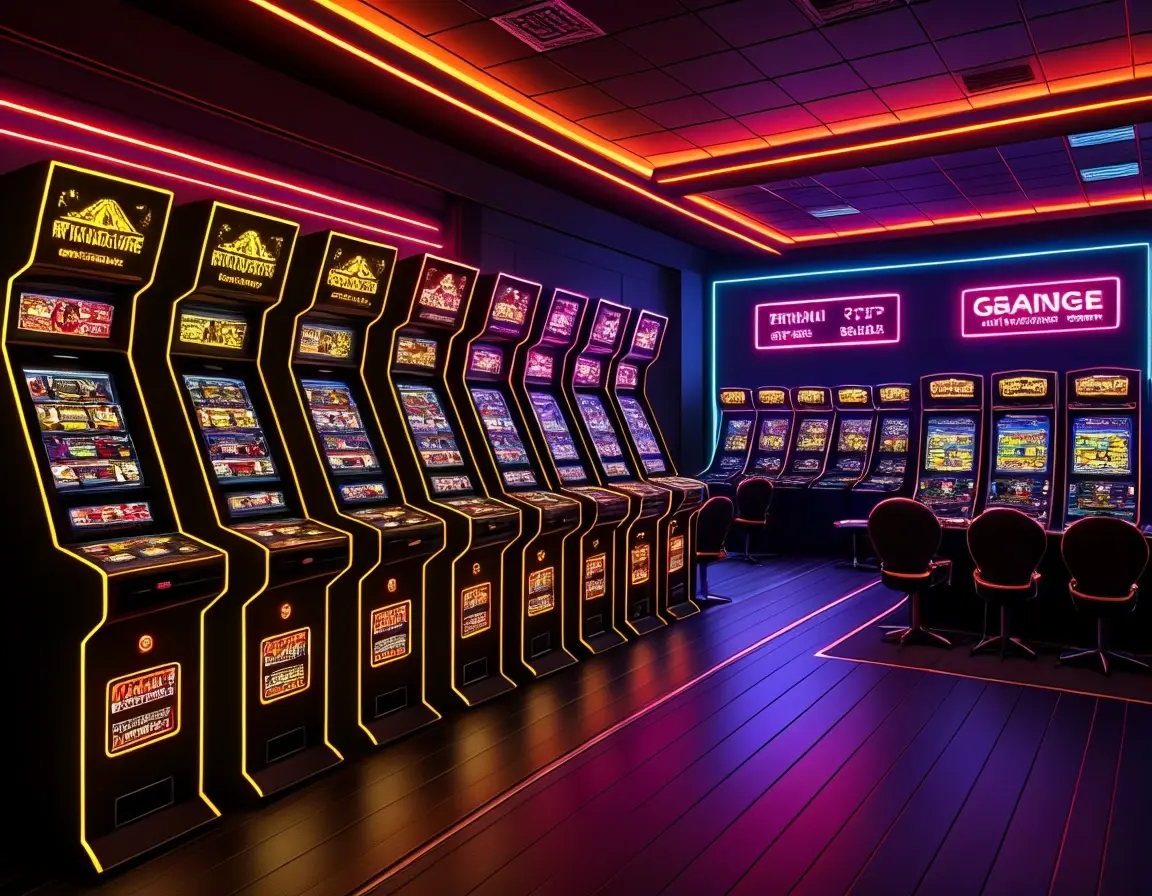
Here's what changed, what it means for your compliance strategy, and how to adapt your licensing approach before these requirements create bottlenecks in your approval process. We've worked with 127 operators through early 2025 transitions - these insights come from actual regulatory feedback, not theoretical interpretation.
Cashless Gaming Integration Mandates
Twenty-three jurisdictions now require cashless payment capability on all newly licensed gaming devices. This isn't a recommendation - it's a hard licensing requirement with specific technical specifications your equipment must meet before approval.
Nevada implemented Phase 1 requirements in January. All slot machines submitted for licensing after February 15, 2025 must support digital wallet integration with minimum security standards including tokenization, biometric authentication options, and real-time transaction monitoring. The Gaming Control Board won't issue device approvals without documented cashless functionality.
Illinois followed with even stricter standards. Their cashless mandate includes responsible gaming integration - players must be able to set deposit limits, loss limits, and session time restrictions directly through the payment interface. Your device can't receive licensing approval unless these controls are built into the cashless system, not added as aftermarket modifications.
What This Means for Your Equipment
If you're licensing devices manufactured before 2023, you're likely facing hardware upgrades. Older slot machines lack the processing capability and secure element chips required for compliant cashless integration. We're seeing operators discover this during technical review - after they've already invested in application fees and compliance documentation.
- Hardware assessment first: Get your devices evaluated for cashless capability before starting applications. Not every machine can be retrofitted.
- Vendor certification matters: Your cashless system provider needs independent third-party certification. Regulators are rejecting proprietary solutions without validated security audits.
- Budget for integration testing: Add $3,500-$7,000 per device type for cashless functionality verification during the approval process.
Our compliance checklist for 2025 regulations includes specific cashless integration requirements by jurisdiction. Use it before you commit to equipment purchases.
Revised RNG Certification Standards
Random Number Generator certification just got more complex. Gaming Laboratories International (GLI) released GLI-11 version 3.1 in December 2024, and most jurisdictions adopted it as their minimum standard by February 2025. If your devices were certified under previous GLI-11 versions, they need recertification.
The updated standard introduces continuous verification requirements. Your RNG doesn't just get tested once during initial licensing - it now requires ongoing monitoring with automated reporting to regulatory authorities. This means additional hardware for RNG output logging and secure transmission systems that weren't part of previous certification protocols.
Pennsylvania was the first to enforce this strictly. They rejected seventeen slot machine applications in January because operators submitted older GLI-11 certifications without the new continuous monitoring capability. Those operators lost their application fees and had to restart the entire approval process with recertified equipment.
Statistical Distribution Requirements Changed
GLI-11 v3.1 tightened acceptable variance thresholds for RNG output distribution. Where previous standards allowed ±2.5% deviation from expected distribution across test cycles, the new version requires ±1.8%. Gaming devices with marginal RNG performance under old standards are failing new certification tests.
This particularly affects older slot machines and imported gaming devices designed for international markets. European RNG standards diverge from updated US requirements - you can't assume a device certified for UK operations will pass current US testing without modification.
Responsible Gaming Technology Protocols
Every jurisdiction with 2025 regulatory updates included expanded responsible gaming requirements. These aren't optional features regulators like to see - they're mandatory functionality that must be documented during license application technical review.
The new baseline includes:
- Player activity tracking: Real-time monitoring of session duration, bet frequency, and loss velocity with configurable alert thresholds.
- Self-exclusion integration: Direct connection to state self-exclusion databases with automated player identification and device lockout capability.
- Limit-setting interfaces: Player-facing controls for deposit limits, loss limits, and time limits accessible without staff intervention.
- Reality check reminders: Configurable pop-up notifications at specified time intervals showing session duration and net loss/win.
Michigan's Gaming Control Board now requires all four elements for any gaming device license issued after March 1, 2025. Their technical standards document specifies exact implementation requirements - you can't satisfy this with generic responsible gaming messaging.
The Integration Challenge
Here's where operators hit problems: these systems need to work together. Your cashless payment platform, RNG monitoring system, and responsible gaming controls can't be separate bolt-on solutions. They must share data through secure APIs with documented information security protocols.
Regulators are testing this during approval review. New Jersey's Division of Gaming Enforcement now includes integration testing as part of device licensing. They verify that setting a loss limit through the cashless interface actually prevents additional wagers when the limit is reached - not just displays a warning message.
If your systems don't communicate properly, you fail technical review. We've seen this delay approvals by 45-60 days while operators scramble to fix integration issues that should have been addressed before application submission.
Compliance Documentation Requirements Expanded
The paperwork increased substantially. Jurisdictions implementing 2025 updates added new required documentation to state-by-state slot licensing requirements, and missing any element triggers automatic application holds.
You now need:
- Cybersecurity assessment reports: Independent third-party evaluation of gaming device network security, including penetration testing results and vulnerability remediation plans.
- Data privacy compliance documentation: Detailed explanation of player data collection, storage, and usage with specific reference to state privacy laws and responsible gaming data protection.
- Supplier chain verification: Documentation of every component manufacturer in your gaming device with country of origin certification and supply chain security attestation.
- Software escrow agreements: Verified third-party source code escrow for all proprietary gaming software with regulatory access provisions.
Colorado rejected nine applications in February solely for incomplete cybersecurity documentation. The operators had the required security measures implemented - they just didn't document them according to the new submission requirements.
Timeline Impacts You Should Anticipate
These changes aren't just adding complexity - they're extending approval timelines. Based on our experience with early 2025 applications, expect these additions to standard processing times:
Cashless integration review: Add 14-21 days for technical evaluation of cashless systems, including security protocol review and integration testing verification. This happens after your initial technical submission is accepted.
Updated RNG certification processing: Add 30-45 days if you need new GLI-11 v3.1 certification. Testing labs are backlogged with recertification requests from operators caught off-guard by the standard change.
Responsible gaming system verification: Add 10-15 days for regulators to review and test responsible gaming functionality. Some jurisdictions are requiring live demonstration of these features during site inspections.
Enhanced documentation review: Add 7-10 days for cybersecurity and data privacy documentation assessment. Regulators are actually reading these submissions carefully, not just checking boxes.
Total impact: figure an additional 60-90 days on top of standard licensing timelines if you're applying under 2025 requirements. The operators getting approved faster are submitting complete applications with all new requirements addressed upfront.
Proactive Compliance Strategy
Don't wait for application rejection to discover compliance gaps. The most efficient approach we're seeing:
Equipment audit first. Before you start any application, get independent verification that your gaming devices meet 2025 standards. This includes cashless capability assessment, RNG certification review, and responsible gaming functionality evaluation. Finding out your equipment needs upgrades after application submission costs you time and money.
Jurisdiction-specific research matters. The complete licensing process guide walks through general approaches, but 2025 changes aren't uniform across states. Nevada's cashless requirements differ from Illinois's. Pennsylvania's RNG standards include elements Michigan doesn't require. Know exactly what your target jurisdiction mandates before you prepare documentation.
Document everything during implementation. When you're adding cashless functionality or updating RNG systems, create detailed documentation as you go. Regulators want proof your compliance measures work as intended - retrofit documentation after implementation is obvious and gets scrutinized more carefully.
Budget realistically for 2025 compliance. We're seeing average licensing costs increase 30-40% compared to 2024 because of new testing requirements, certification fees, and extended professional service needs. Operators who budgeted based on previous years are running into financial constraints mid-process.
What's Coming Next
These aren't the final changes. Seven additional states have proposed regulations scheduled for review between April and September 2025. Common themes in draft proposals include:
- Geolocation verification requirements for all gaming devices
- Mandatory problem gambling assessment tool integration
- Enhanced age verification beyond basic ID checks
- Real-time reporting to regulatory systems for specified gaming events
Stay informed through our slot machine licensing resources where we publish regulatory updates as they're released. Waiting until new requirements become effective puts you behind operators who prepared in advance.
Moving Forward with Confidence
Regulatory change creates competitive advantage for prepared operators. While others scramble to understand new requirements after submitting incomplete applications, you can position yourself as the operator who gets it right the first time.
The 2025 compliance landscape is more demanding - but it's not unmanageable. It requires earlier planning, more thorough equipment evaluation, and better documentation practices. The operators succeeding under new requirements are those who treat compliance as an ongoing process, not a last-minute application requirement.
Need specific guidance for your licensing situation? We review gaming device compliance positioning every day. Thirty-minute consultation calls are helping operators identify exactly what they need to address before application submission - and avoiding the costly delays hitting unprepared applications.
The regulatory environment will keep evolving. The question isn't whether you'll need to adapt - it's whether you'll be ready when the next round of changes arrives.